These timelines follow the four girls whose stories you hear in the podcast. They flesh out the main events of their lives, drawn from the archival research.
Alida (Tilly) Mathilda de Jongg
1919—1944
Two sisters, one file —
1924
1929
1934
1939
1944
27 Mar. 1919
Tilly is born
Alida Mathilda (Tilly) de Jong was born in Amsterdam at Transvaalstraat 9. She grew up in a financially comfortable socialist-Jewish family of diamond workers. Her parents had been forced to marry, which led to a very unhappy marriage and a difficult home environment for both themselves and their children.
5 Jan. 1926
Huize Dina opens
Huize Dina opens its doors at its first location in Santpoort — a home where Jewish girls from mostly disadvantaged backgrounds could receive a safe and virtuous upbringing. In 1930, the home was named after Dina Sanson, founder of the “Association for the Protection of Jewish Girls,” and provided a home for Jewish aged 14-21 years old who, usually due to poverty or even violence at home, could no longer be cared for by their parents.
16 Jan. 1930
New Huize Dina built
A larger Huize Dina opens at Duinlustparkweg in Santpoort, replacing the older location at the Vinkenbaan. A large group had gathered for the official ceremony. In the main hall, the association’s president Margo Roos-Jacobson (mother of the later well-known journalist Jeanne Roos) gave the welcoming speech.
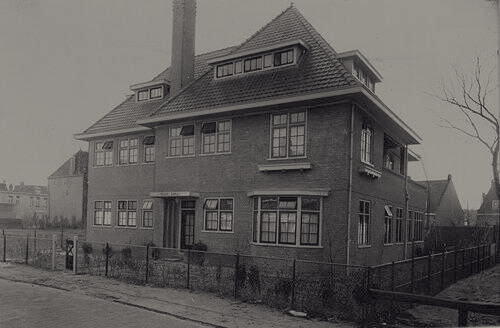
Huize Dina, Duinlustparkweg, Santpoort, ca. 1930.
7 Nov. 1934
Report filed
Neighbors and Tilly’s parents file a report with the juvenile police. An official statement is drawn up.
1 Dec. 1934
State supervision
Tilly is placed under juvenile-court supervision. Amalia Rodrigues-Pereira-Stoppelman becomes her guardian and supervisor.
23 Mar. 1936
Placed in a home for working girls
Tilly is admitted to the Tehuis voor Werkende Meisjes (Home for Working Girls) at Olympiakade, Amsterdam — a modern shelter opened in 1926. Unlike closed institutions, it offered “semi-freedom”: girls could work or study, had their own rooms, wore normal clothes, and lived under supervision in a family-like setting.
30 Mar. 1936
Tilly runs away
Tilly runs away from the Tehuis (the working girls’ home) and goes to her guardian Rodrigues Pereira. The directress describes her as difficult in the group but also “sweet and warm-hearted.”.
3 Jul. 1936
Sent to Beth San
Tilly is admitted to Beth San, a Protestant reformatory on Nieuwe Herengracht in Amsterdam — an observation home for girls with difficult backgrounds who had become caught up in an immoral and troubled life. Beth San sought to guide its girls toward a calm, modest, and respectable life in society.
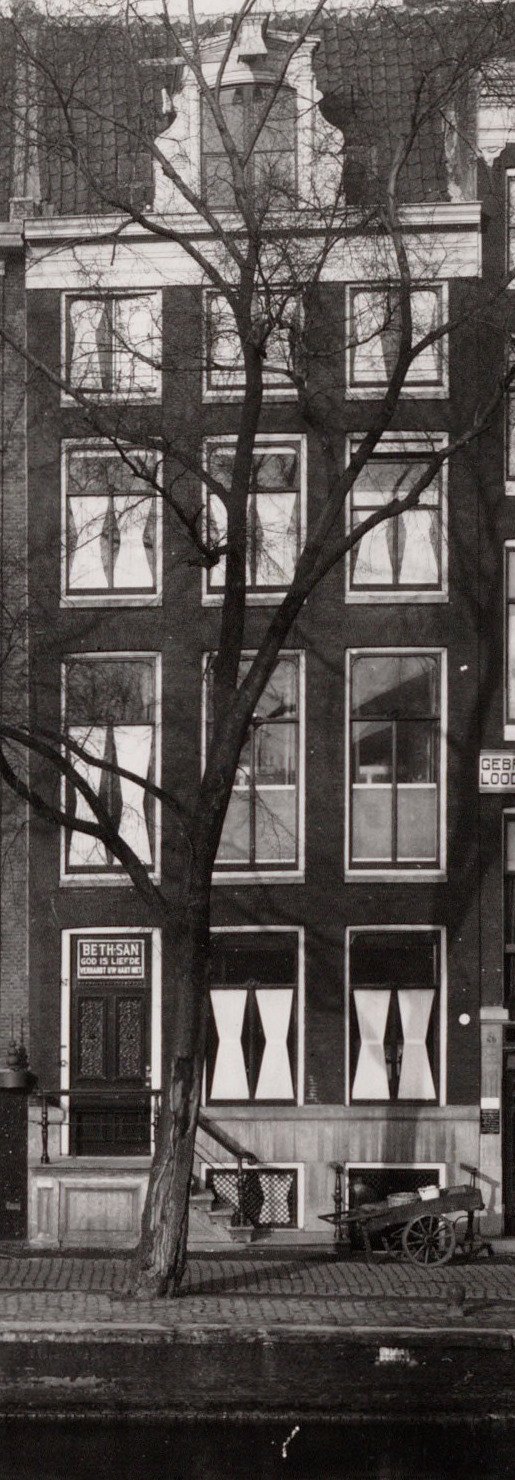
Beth San, home for girls, Nieuwe Herengracht, Amsterdam.
30 Jul. 1936
Sent to reformatory
Tilly is transferred from Amsterdam to the State Reformatory Eikenstein in Zeist — since 1909 a disciplinary school where young delinquent girls served their sentences or received re-education. Here Tilly met her friend Lenie Beaujean from Limburg, with whom she stayed in contact even after her time in Zeist.
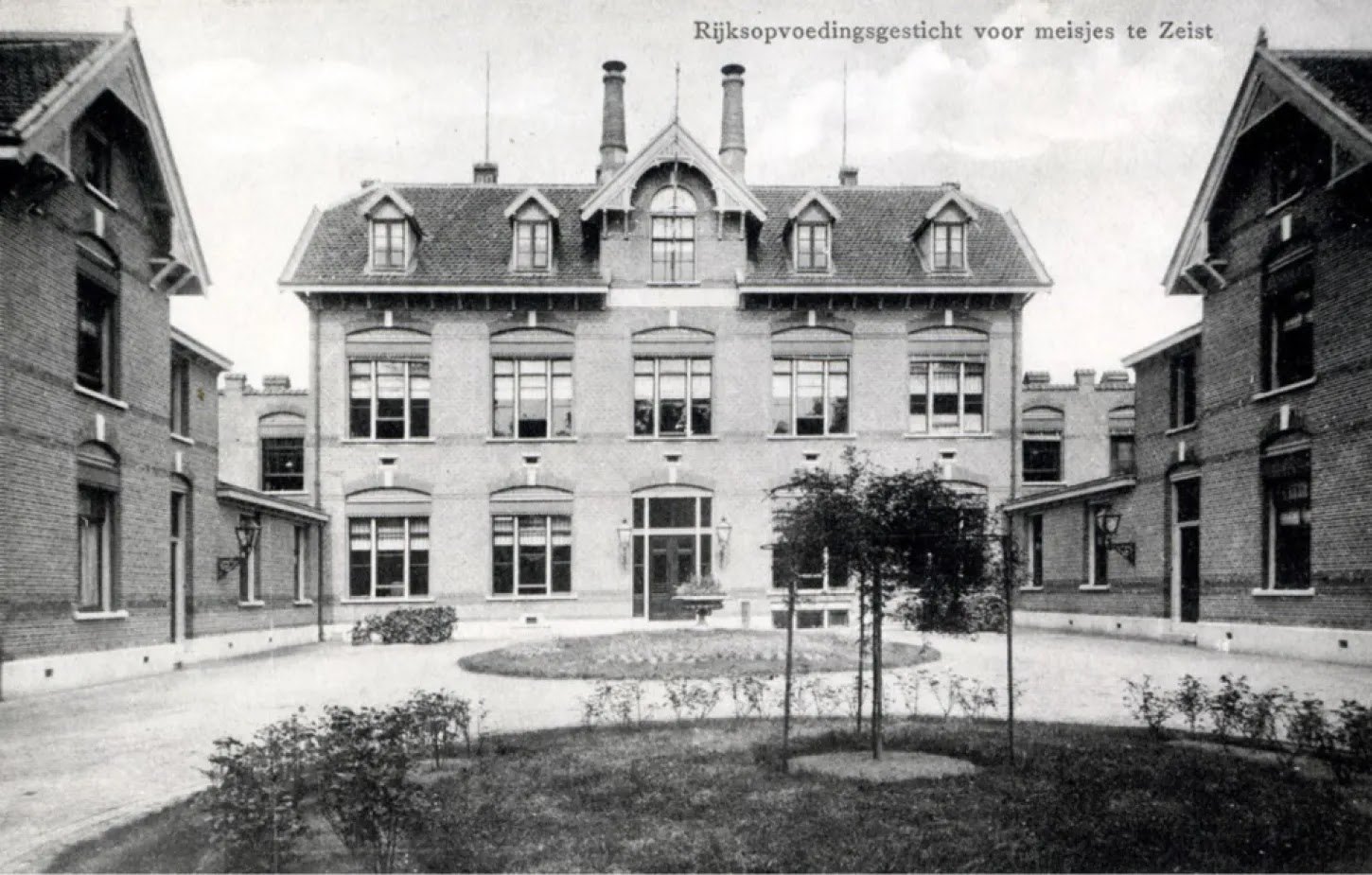
The state reformatory Eikenstein, Zeist.
1 Jun. 1937
Tilly enters Huize Dina
Tilly enters Huize Dina in Santpoort. After her time in Zeist she was allowed to go to Huize Dina, near the dunes, where she had more freedom. However, she also experienced periods of depression there. Here too, she attempted suicide.

Alida “Tilly” de Jong, ca. 1939.
14 Jan. 1939
Released, stays with sister
Tilly is released from Huize Dina and stays with family at Tilanusstraat, the address of her sister Jet de Paauw-de Jong. Her family guardian and Hetta Prins, the directress of Huize Dina, did not yet consider it wise for Tilly to return directly to her parents, given the many arguments in the past.
21 Nov. 1939
Serious accident
Tilly is hit by a military car on the streets of Amsterdam. She spent several weeks in hospital with a skull fracture. The injury was serious enough to require prolonged medical care and kept her away from her usual surroundings for an extended period.
c. Mar. 1940
Tilly is pregnant
Tilly becomes pregnant. Alwin Jacob Garcia, a jazz musician from Paramaribo, Surinam, is identified as the father.
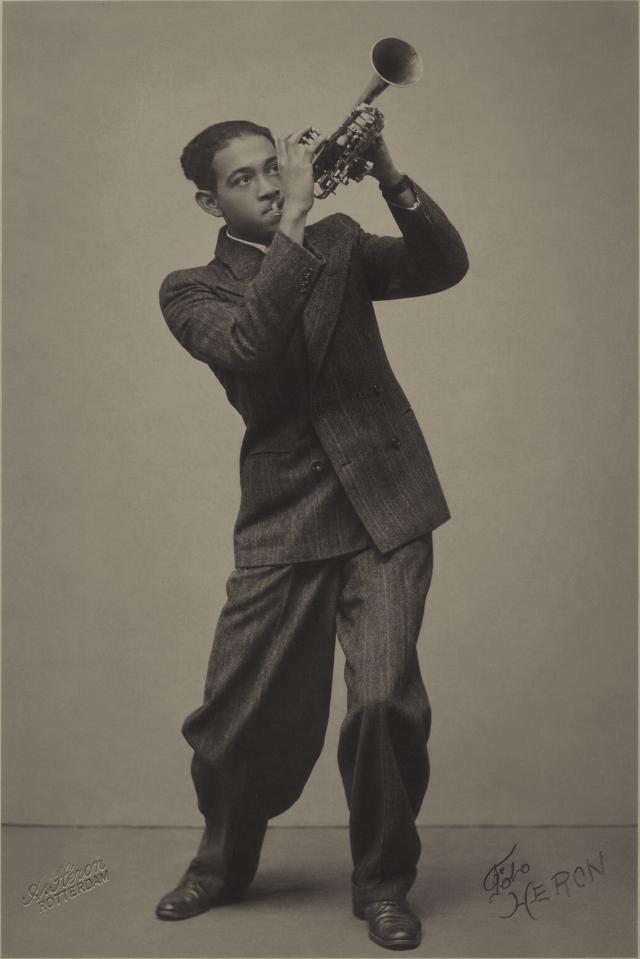
Alwin Jacob Garcia. Foto: Heron, Rotterdam.
27 Mar. 1940
Comes of age
Tilly reached the age of majority at 21 — legally an adult, expected to stand on her own feet. The legal connections with the child judge and the familyguardianship ends at this day.
10 May 1940
Nazi occupation begins
Germany occupies the Netherlands; World War II begins in Holland. Anti-Jewish measures soon followed: growing exclusion from public life, loss of rights, registration, dismissal from jobs, and increasing isolation. Step by step, Jewish citizens were separated from society, making persecution, deportation, and murder possible.
22 Oct. 1940
Mirjam (Mieke) is born
Tilly’s daughter Mirjam “Mieke” de Jong is born in the Wilhelmina Gasthuis, a large public hospital in Amsterdam. The support dossier names Alwin Jacob Garcia as the father. Not long after the pregnancy, Garcia broke off all contact with Tilly.

Archival fragment first naming Mieke’s father. Amsterdam City Archives.
7 Jul. 1941
Sent to psychiatric ward
Tilly is taken from Amsterdam to the Apeldoornsche Bosch, a Jewish psychiatric institution in Apeldoorn. During the occupation it became a place of great danger: in January 1943 the Nazis emptied the institution and deported its patients and staff to Auschwitz. Tilly was already dismissed at the end of 1942.
6 Apr. 1943
Mirjam taken into hiding
Tilly’s daughter Mirjam “Mieke,” who had been living in a children’s home since 1941, is taken into hiding in Betondorp, Amsterdam. With the help of a kind nurse she was secretly smuggled out and taken to the nurse’s house. In this way Tilly’s daughter survived the war, growing up there until her marriage in 1970.
29 Apr. 1943
Arrested by collaborator
Tilly is arrested by police officer Pieter Schaap and taken to a police station in Amsterdam. Schaap was a Dutch employee of the SD — a fanatical persecutor of Jews who shot countless people dead. After the war he was sentenced to death and executed.
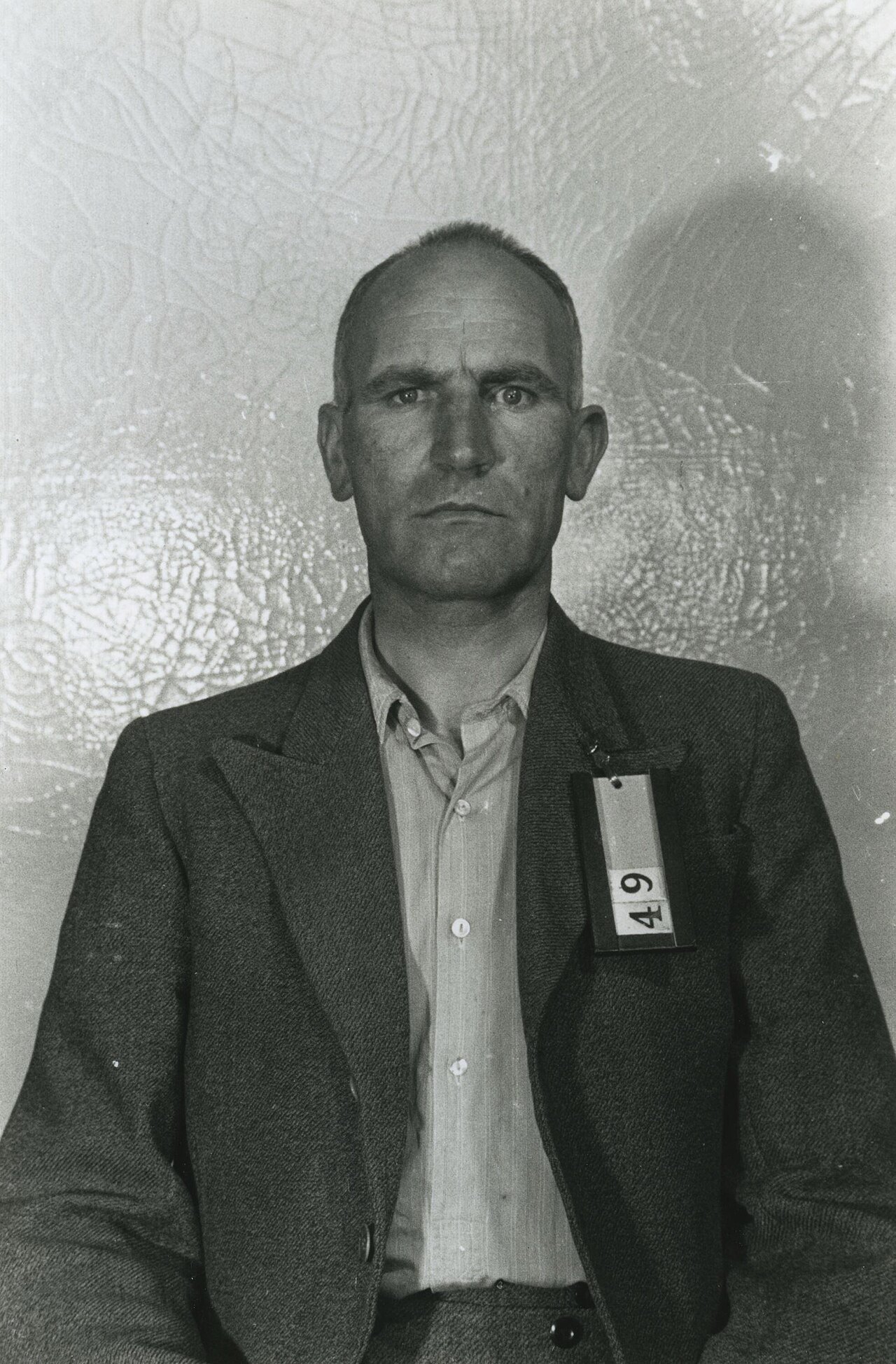
Pieter Schaap, the Dutch police officer who arrested Tilly.
25 Jan. 1944
Deported to Auschwitz
Alida is deported in a cattle train from Westerbork to Auschwitz. Of the 949 people who were forced into the train wagons together with Tilly that day, only thirty would return after the war. Three days later, upon arrival, Tilly is murdered in the gas chamber.
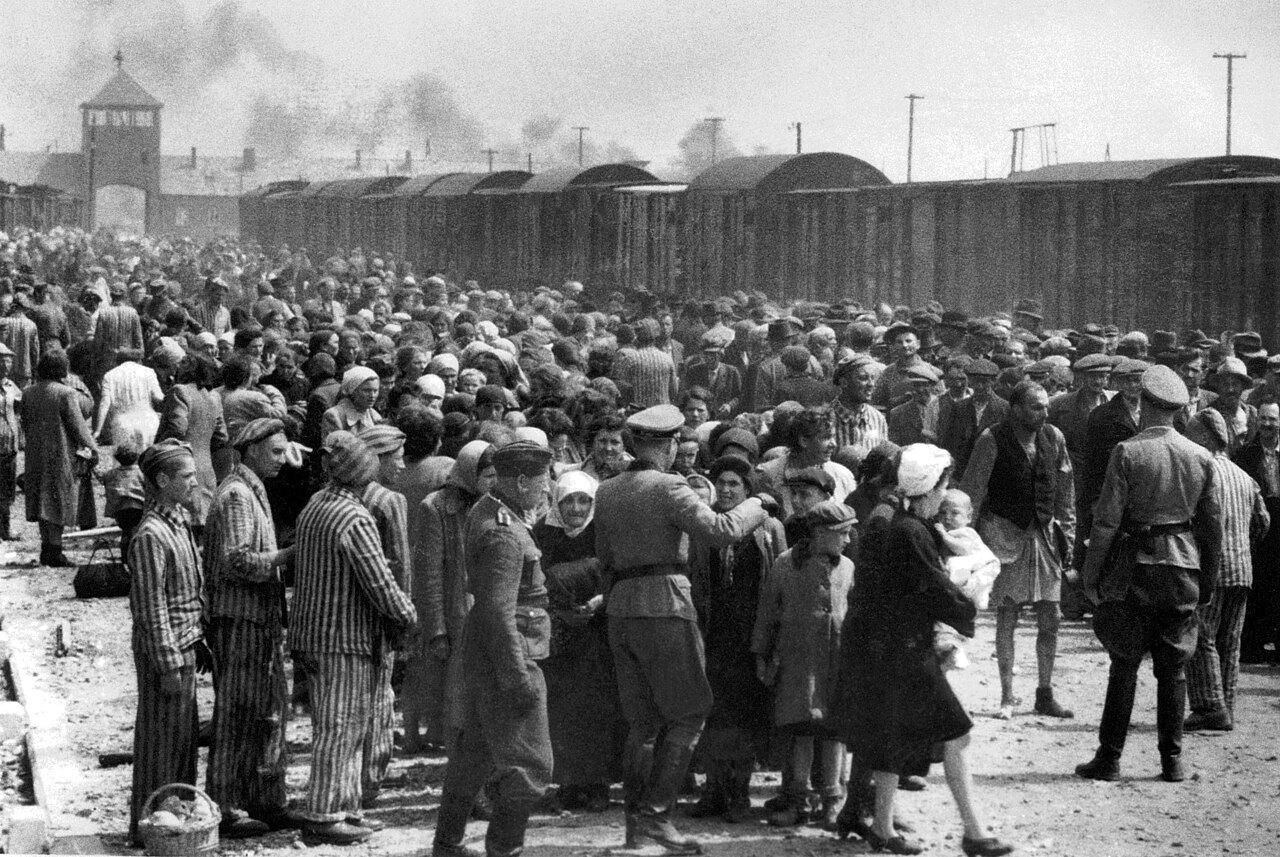
The train station of Auschwitz-Birkenau.
1930
1934
1938
1942
22 Aug. 1926
Mina
Mina is born
Mina Engers is born in Amsterdam, eldest child of Salomon Engers and Klara Markus — married five months earlier, a union forced when Salomon cut his wrist to compel Klara’s consent. Mina is named after her paternal grandmother.
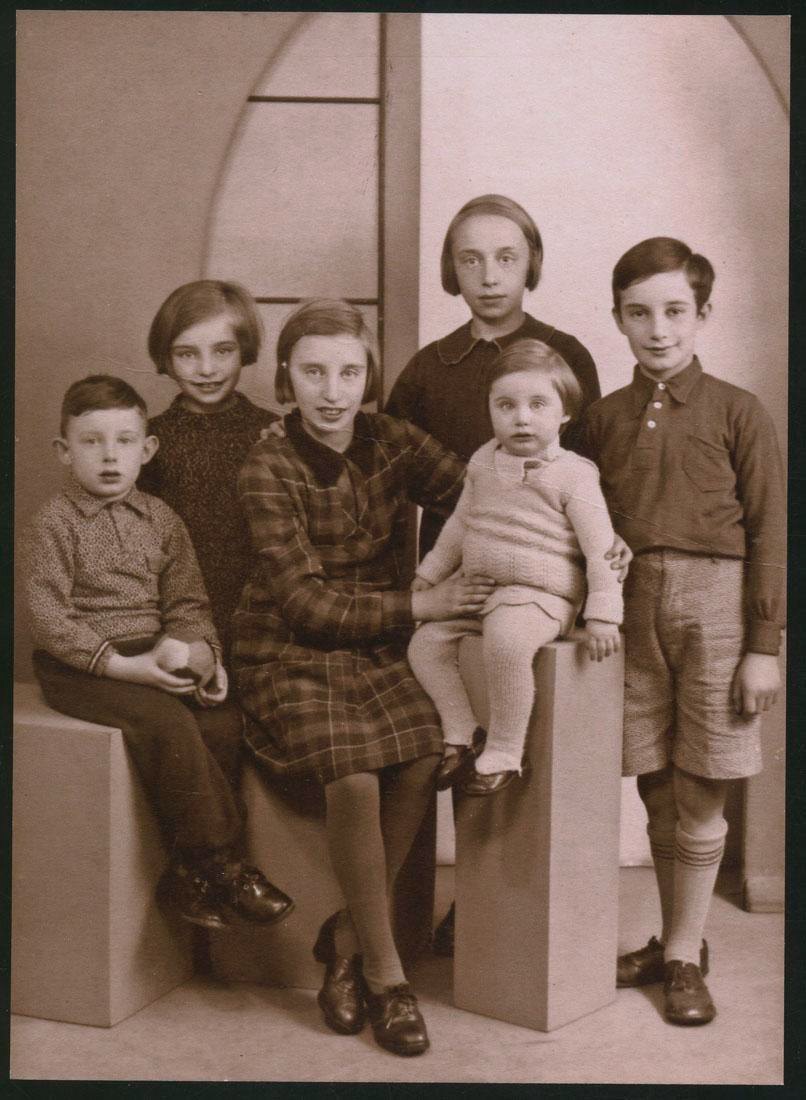
The Engers children, ca. 1940 — Mina in the middle, holding the youngest.
1926 — 1930
Mina
Years with the grandparents
Mina spends her first four years with her grandparents at Waterlooplein 16 while her father sits in prison. In 1930 her mother Klara forcibly takes her back.
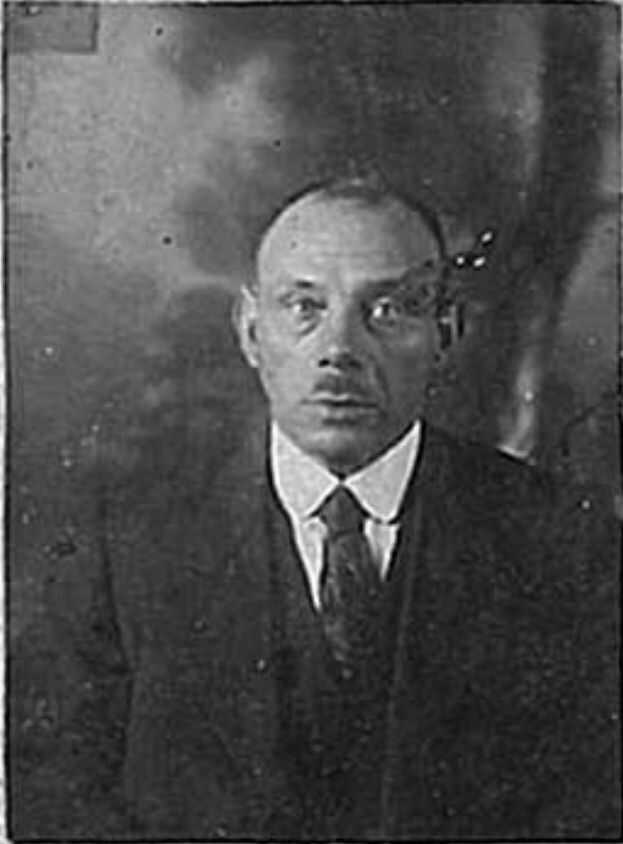
Levy Engers, Mina's and Sara’s grandfather.
27 Jul. 1928
Sara
Sara is born
Sara (Lientje) is born in Amsterdam. As a baby she is boarded out for seven months in Naaldwijk.
Sara, standing behind Mina on the right, ca. 1940.
16 Sep. 1930
Mina & Sara
The first police report
Family and neighbours file the first child-police report; interim guardianship follows. One grandmother calls the household ‘bar smerig’ (‘utterly filthy’); the housing supervisor calls it ‘very neat’. The case opens on contradiction.
1918 — 1939
Mina & Sara
A father’s record
Their father Salomon’s record: thefts, embezzlement, stolen electricity, prison after prison. Deaf, called a ‘genius’ and a ‘madman’ by his own brother, Salomon buys sweets and cigarettes while the children go hungry.
16 Sep. 1939
Mina & Sara
Their mother dies
The girls’ mother Klara dies of an ectopic pregnancy, aged 31, and is buried at the Jewish cemetery in Diemen. Salomon drifts from address to address; six children are left without care.
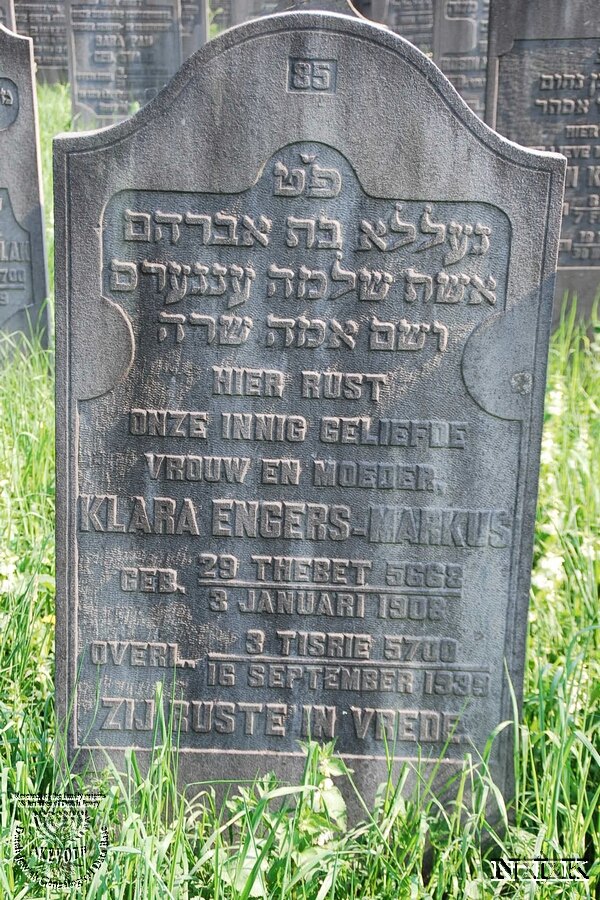
Tombstone of Klara Engers-Markus, Jewish cemetery, Diemen.
Jan. 1940
Mina & Sara
‘Not safe’ with their father
Neighbours declare the girls ‘not safe’ with their father, and report that he beat their brother Levy so badly the boy could not walk. Within the year, all six children are removed.
8 Dec. 1940
Mina & Sara
Six siblings, four institutions
Mina, Sara and Levy are placed in the Jewish orphanage in Utrecht; Marietje, Alexander and Jeannette elsewhere in Amsterdam. Six siblings, four institutions.
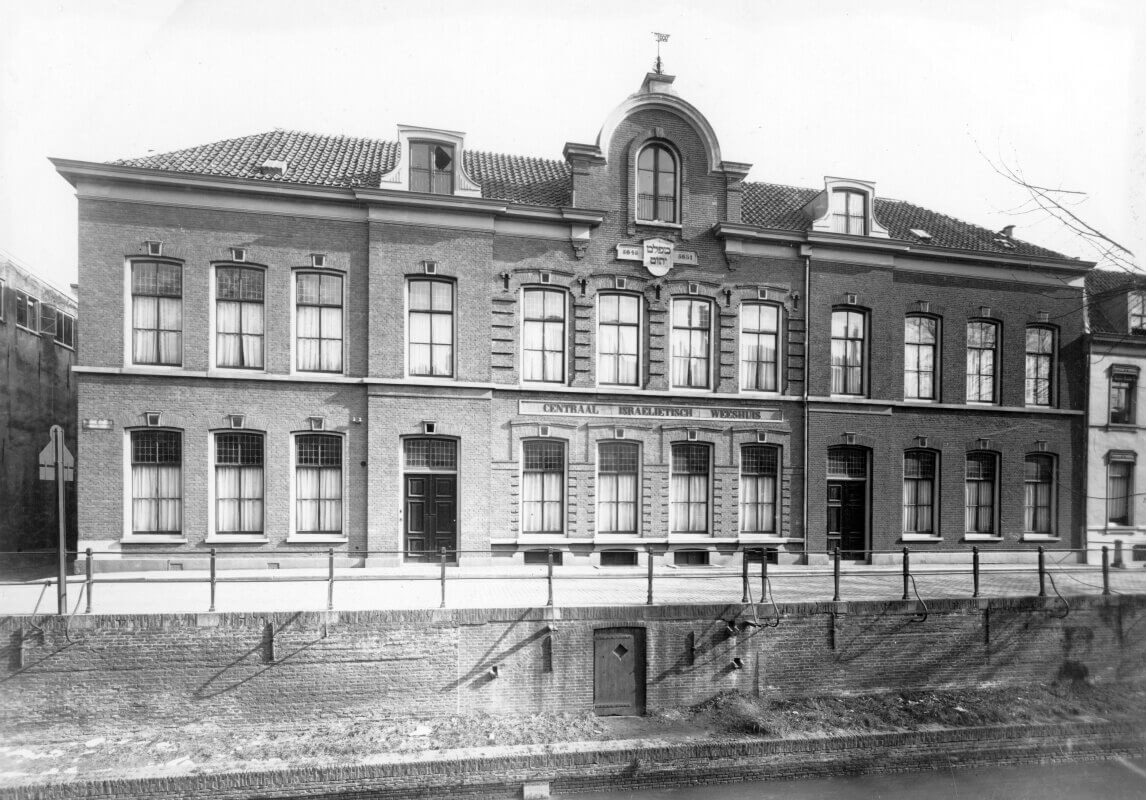
The Jewish orphanage in Utrecht.
Winter 1940–41
Mina & Sara
Injuries, and unkind words
Mina falls through a window pane; Sara breaks her leg. The orphanage director calls Mina ‘impertinent and untruthful’; the girls’ guardian calls twelve-year-old Sara ‘sexually cunning’.
1 Mar. 1941
Mina
Mina enters Huize Dina
At fourteen, Mina is transferred to Huize Dina — her behaviour, the file says, ‘left much to be desired’. The same house in the dunes (and the same directress, Hetta Prins) as Tilly and Jetje before her.
11 Mar. 1941
Sara
Sara sent for observation
Sara is sent for observation to Achisomog (‘Helper of Orphans’), an Apeldoorn institution for Jewish children considered ‘difficult to educate’.
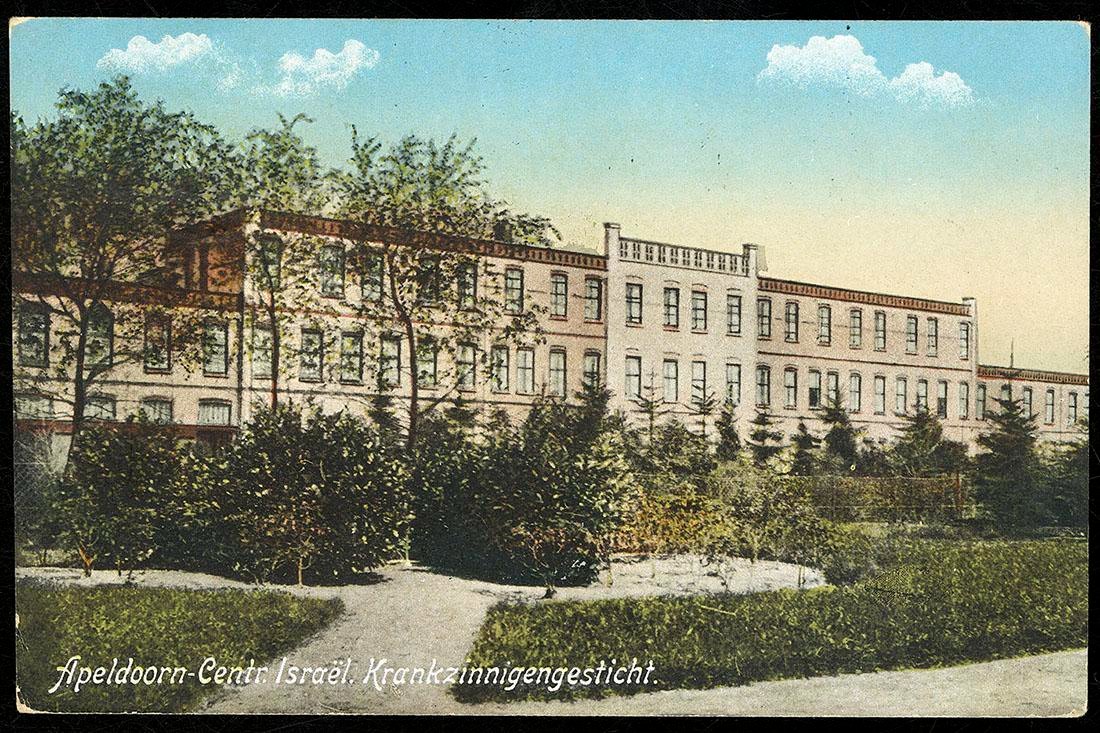
The Jewish asylum Apeldoornsche Bosch, Apeldoorn.
May 1941
Mina & Sara
Two verdicts in one month
Achisomog records Sara’s compulsive washing rituals; Hetta Prins, the directress of Huize Dina, calls Mina a spoiled ‘krengetje’ (a little brat).
1 Sep. 1941
Mina & Sara
Sara joins Mina
Sara joins Mina at Huize Dina, arriving ‘like a frightened little bird’. Within months she is ‘razend brutaal’ (wildly cheeky) — testing whether the safety will hold.
Mar. 1942
Mina & Sara
Huize Dina is seized
The German occupier seizes Huize Dina. The girls, directress Hetta Prins and her staff are forced to leave Santpoort and move the girls home to Amsterdam.
Apr. 1942
Mina & Sara
Separated again
Mina goes to the Jewish working girls’ home on the Gijsbrecht van Aemstelstraat, Sara to the Portuguese Israelite orphanage on the Prinsengracht. In June, Sara makes progress at a sewing class — and has a violent quarrel with her father Salomon.
16 May 1942
Mina & Sara
Reunited at Amstel 254
The Huize Dina girls, the Engers sisters among them, are reunited in a new building at Amstel 254 — a temporary collective home, and a question of whether an institution can truly offer belonging.
12 Oct. 1942
Mina & Sara
‘Both girls are doing well’
Mina works in domestic service and starts a sewing course at the Van Detschool in Amsterdam. The file’s last hopeful entry.
1 Jan. 1943
Mina & Sara
Transported to Westerbork
Mina and Sara are transported to Westerbork, together with directress Hetta Prins and the other Huize Dina girls. Mina is sixteen; Sara, fourteen.
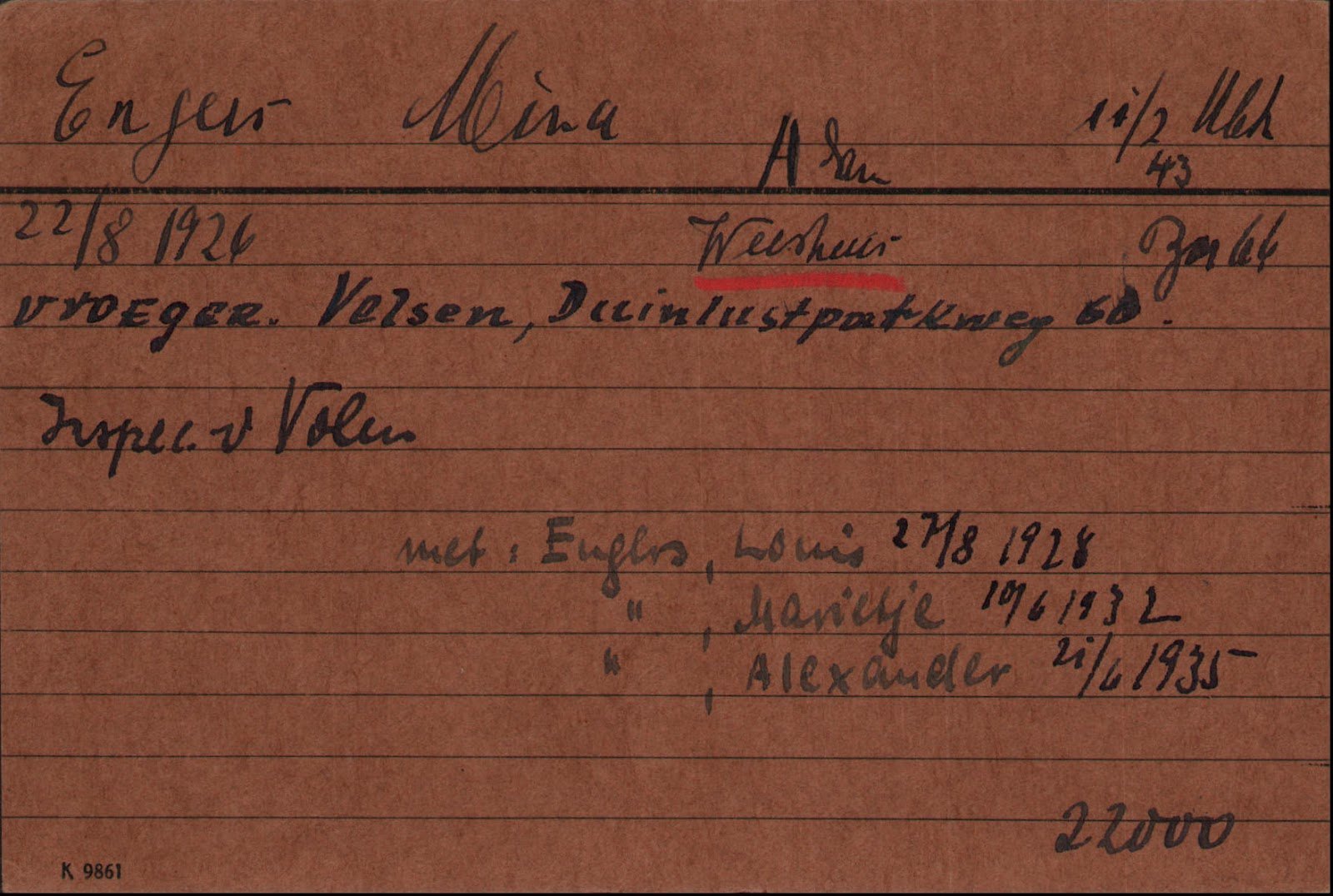
Jewish Council index card of Mina Engers.
26 Aug. 1944
Mina & Sara
The judge asks after the girls
The juvenile judge asks Hetta Prins, the directress — herself now in Westerbork — how the girls are doing. He does not yet know they were deported almost a year earlier.
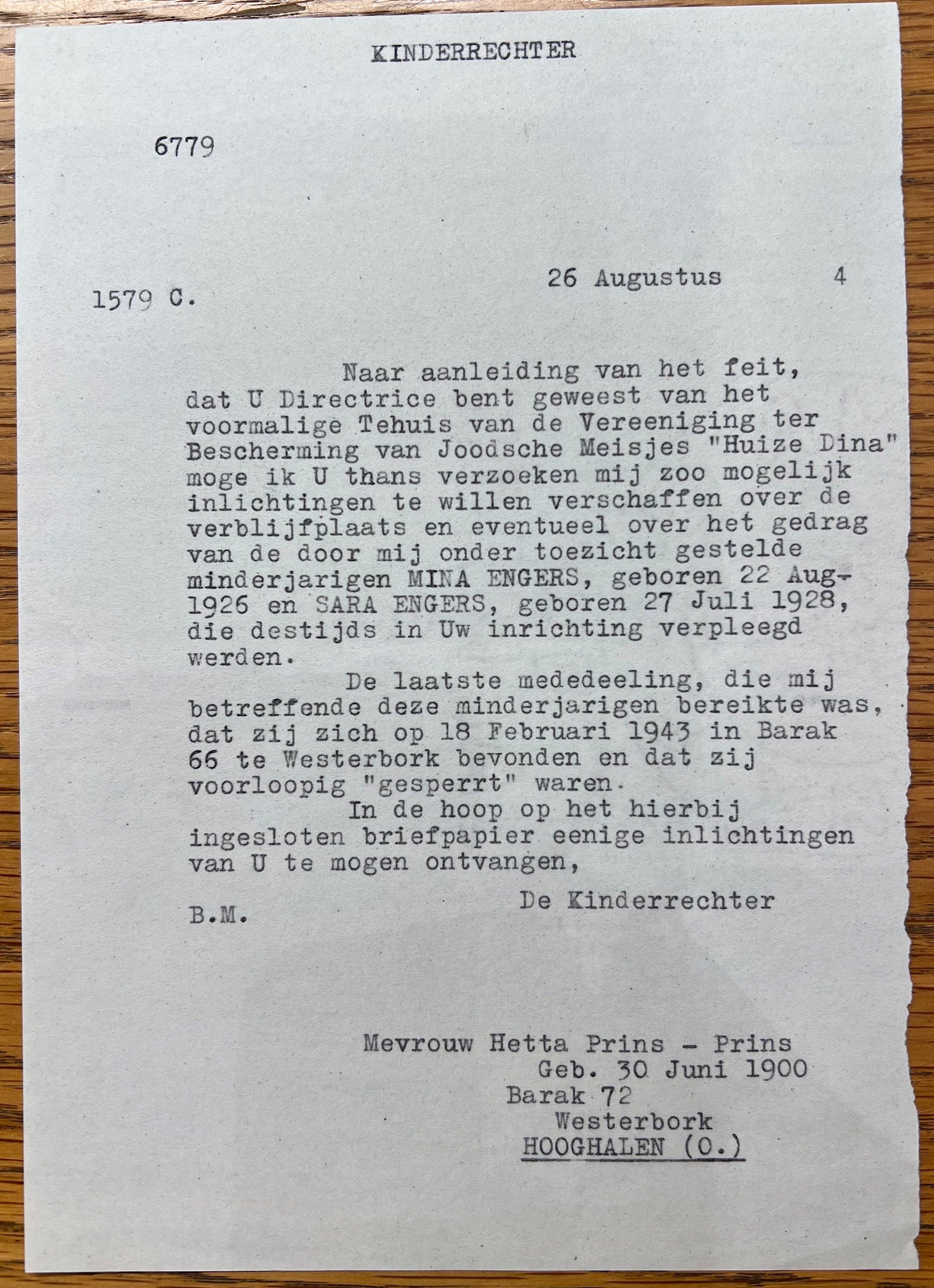
From the juvenile file of the Engers sisters.
5 May 1945
Mina & Sara
Liberation, and one survivor
Liberation. Of the whole family only Jeannette (1938–2025), the youngest sister, survives, hidden in an Amsterdam children’s home. Stolpersteine (brass ‘stumbling stones’ commemorating victims of the Nazis) for Mina and Sara now lie at Duinlustparkweg 96, Huize Dina’s old address — Mina’s laid in 2018, Sara’s beside it in April 2026.
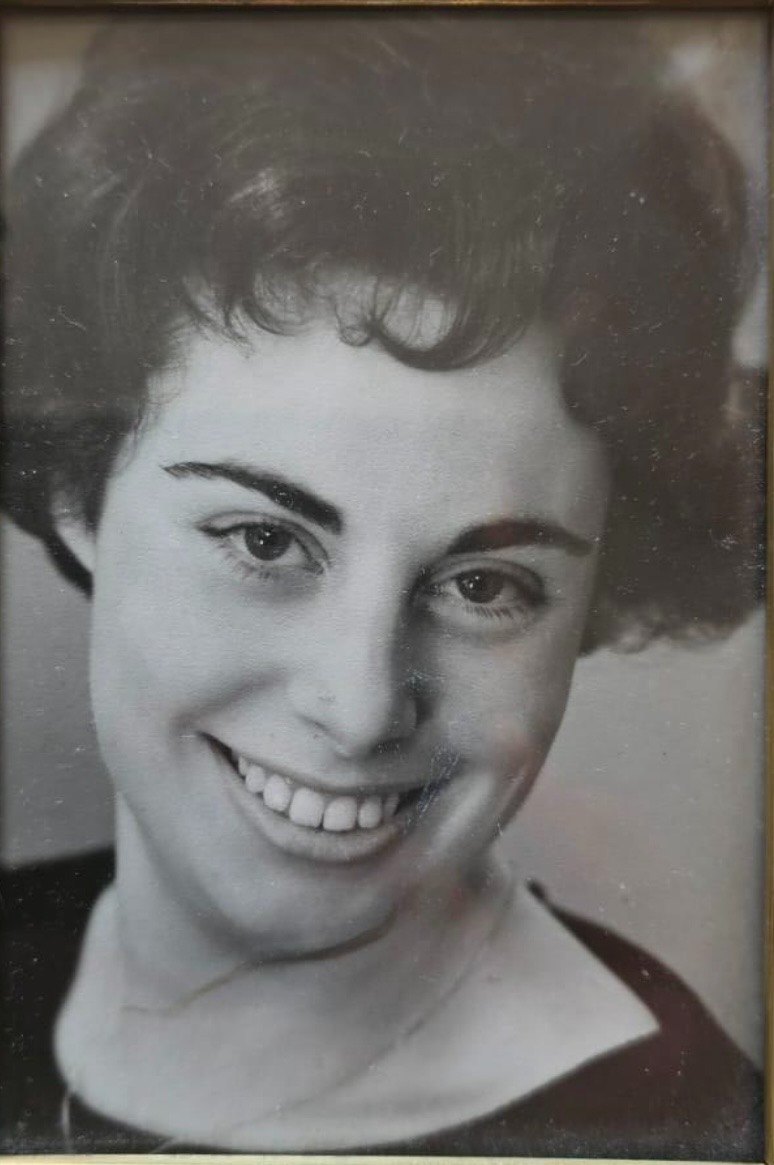
Jeannette Engers, the youngest and only surviving Engers child.
1934
1937
1940
1943
28 Jan. 1931
Supervision requested
Supervision for Mina Swaab (Jetje’s older sister) is requested, out of fear that the elder sisters might influence her. It is the first moment in the file where Henriette becomes a subject of formal child-protection concern. Around 1928 Mina had become mother of a daughter, Betje (“Bella”); her unknown father was Chinese.
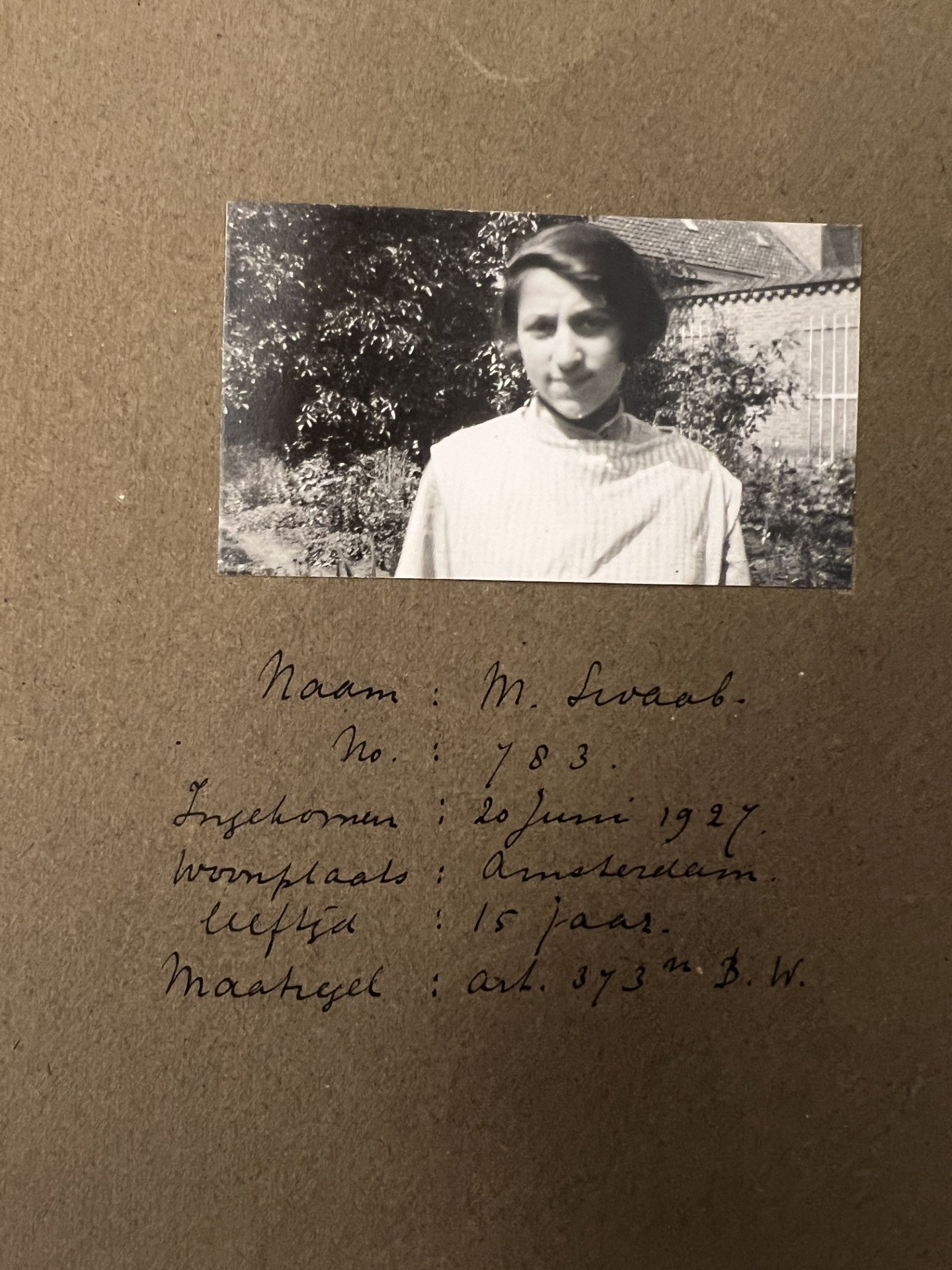
Mina Swaab in the state reformatory in Zeist, ca. 1927.
9 Feb. 1931
“Remove Jetje from home”
In a confidential conversation with guardian Clasina Kruimel-van Dijk, Mina urgently asked that Henriette (Jetje) be removed from the parental home. “The mother demanded money both before and after Mina’s stay” in the reformatory, the guardian noted; supervision alone, Mina argued, could not be enough to safeguard her. Service in Zandvoort was suggested as the safer alternative.
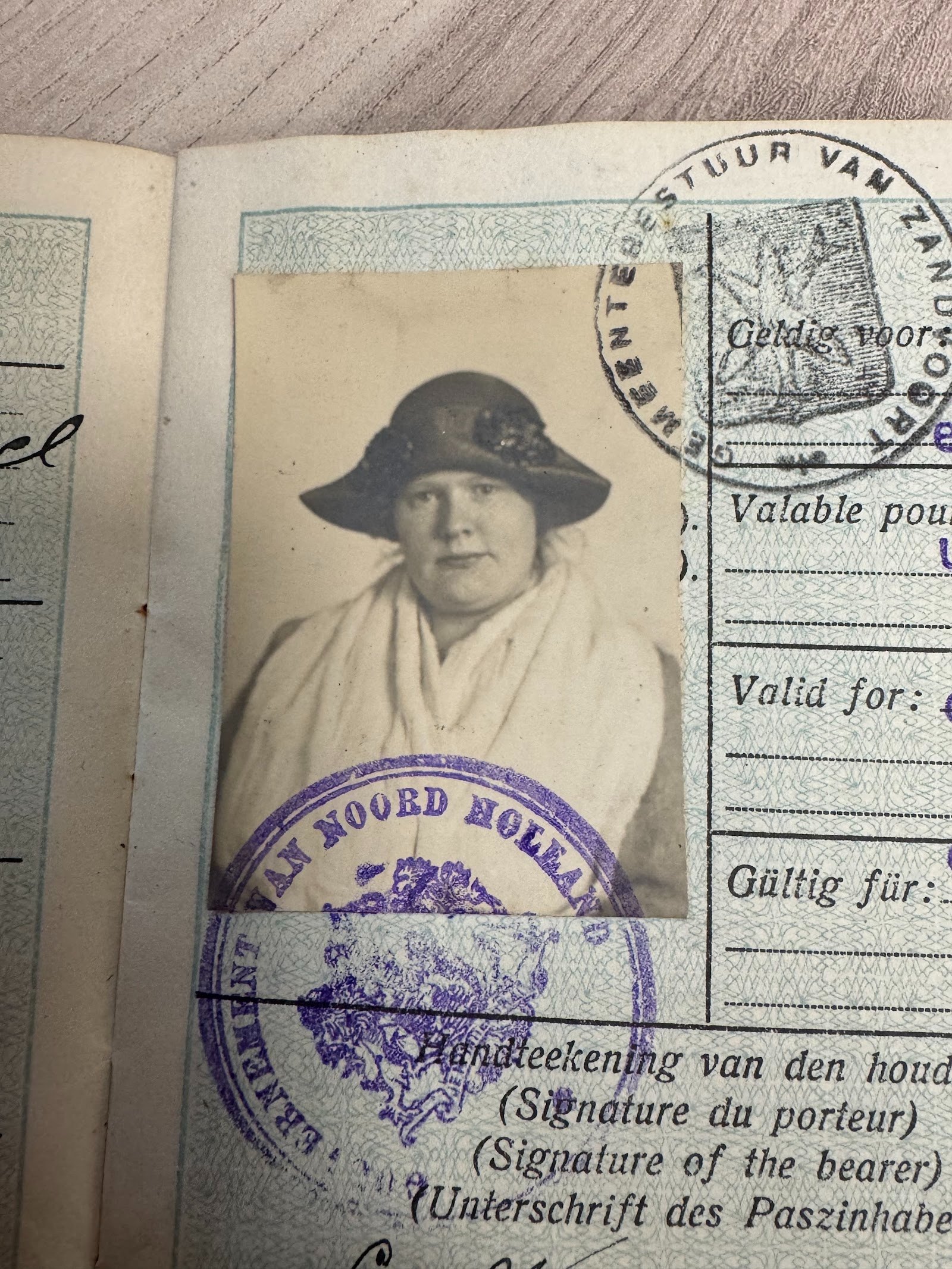
Clasina Kruimel-van Dijk, family guardian of Mina and Henriette Swaab.
4 Jun. 1931
Guardian visits the family
Guardian Clasina Kruimel-van Dijk visits the Swaab home in Amsterdam and informs the parents about the children’s situation — institutional oversight entering the family’s own rooms.
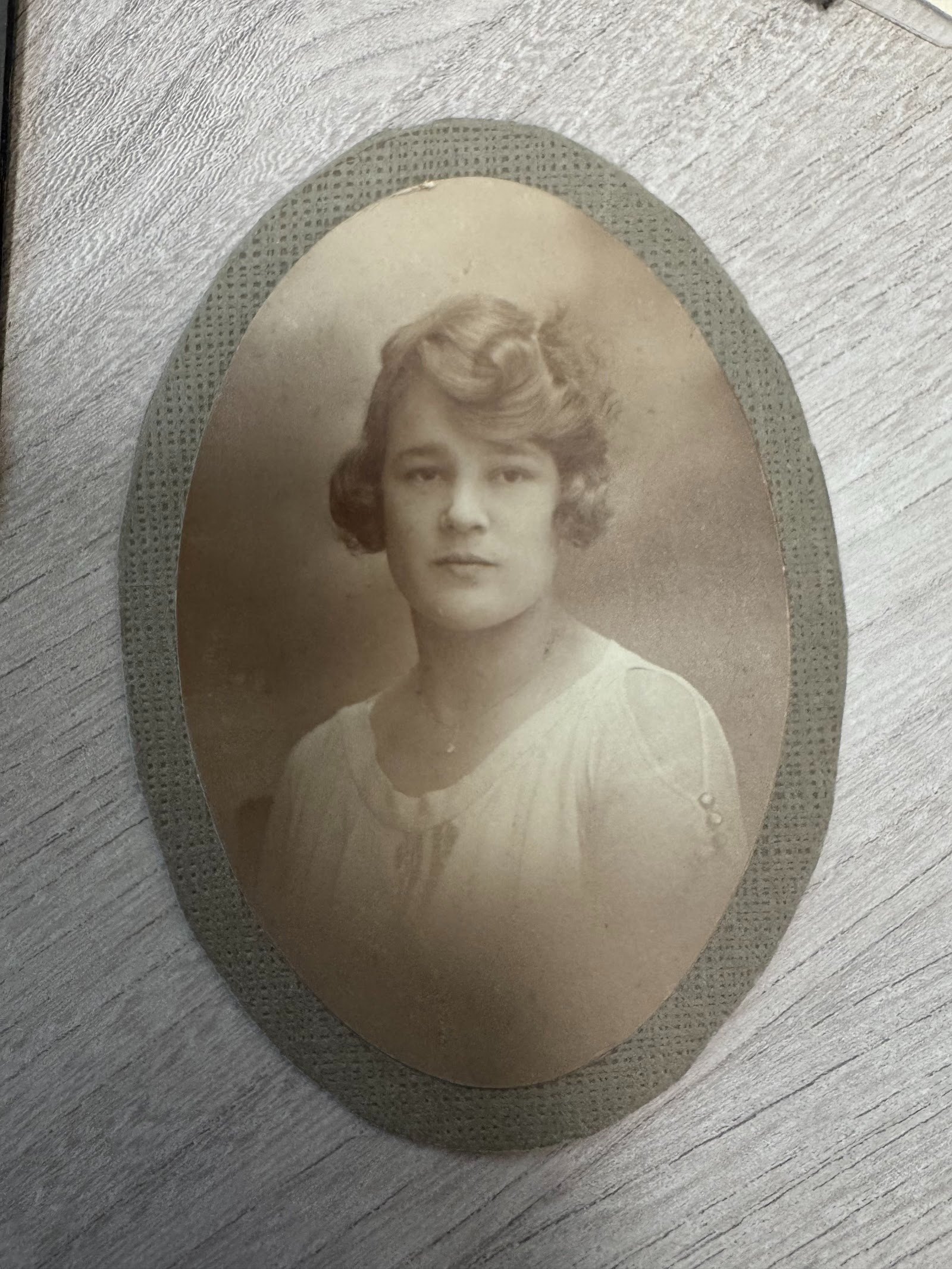
Clasina Kruimel-van Dijk.
10 Aug. 1931
Jetje must leave home
The family guardian found Jetje’s parental home far too dirty — no regularity or structure, and street prostitution besides, with the money going to Jetje’s mother. She reported that Jetje had to leave both her family home and her job in Amsterdam.
24 Aug. 1931
Admitted to Huize Dina
Henriette Swaab is admitted to Huize Dina. “I have the honour to inform you that Henriette Swaab was brought here yesterday afternoon by her family guardian, Mrs. Kruimel,” Hetta Prins, the directress of Huize Dina, wrote to the juvenile judge — the authorities’ attention now extended from Mina alone to a second Swaab daughter.
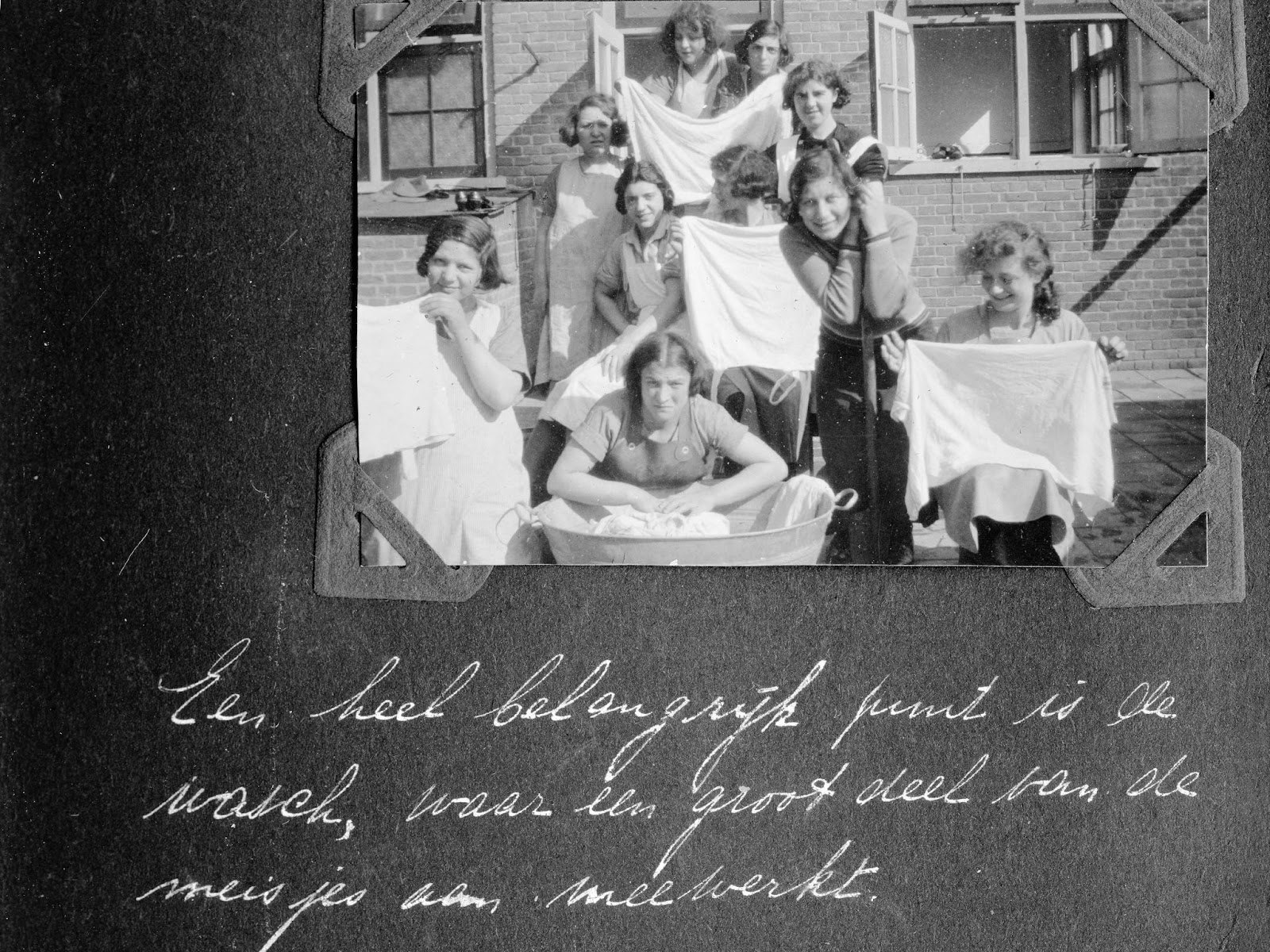
Girls of Huize Dina doing laundry, ca. 1932.
27 Aug. 1931
Parents object
Henriette’s parents were summoned and argued that she had previously been removed from home without reason. They explained her obstinacy in service and said they had reprimanded her sister Sofie. The juvenile judge promised a short stay followed by service near Amsterdam.
16 Nov. 1931
Competing truths
Henriette’s mother reported that Jetje was content and well dressed in Amsterdam. Hetta Prins, the directress of Huize Dina, disagreed, and reported to the juvenile judge: “She is a girl whom one does not easily come to know; I am not yet able to form a clear judgment of her character. It seems to me that she is somewhat sly. The girl herself finds it very pleasant here.”
1 Dec. 1931
Conditional home visits
Hetta Prins, the directress, decided that Jetje could visit her parents’ home in Amsterdam once every two months — but warned the judge and the guardian that visits would stop if matters did not proceed satisfactorily. Home contact was conditional, and monitored.
11 Dec. 1931
Mina reprimanded
Mina (Jetje’s older sister) was reprimanded for corresponding with their sister Sofie, spending a day in Haarlem without permission, and buying unnecessary clothing. Sofie (involved in prostitution) was treated as a risky influence on the younger Swaab sisters.
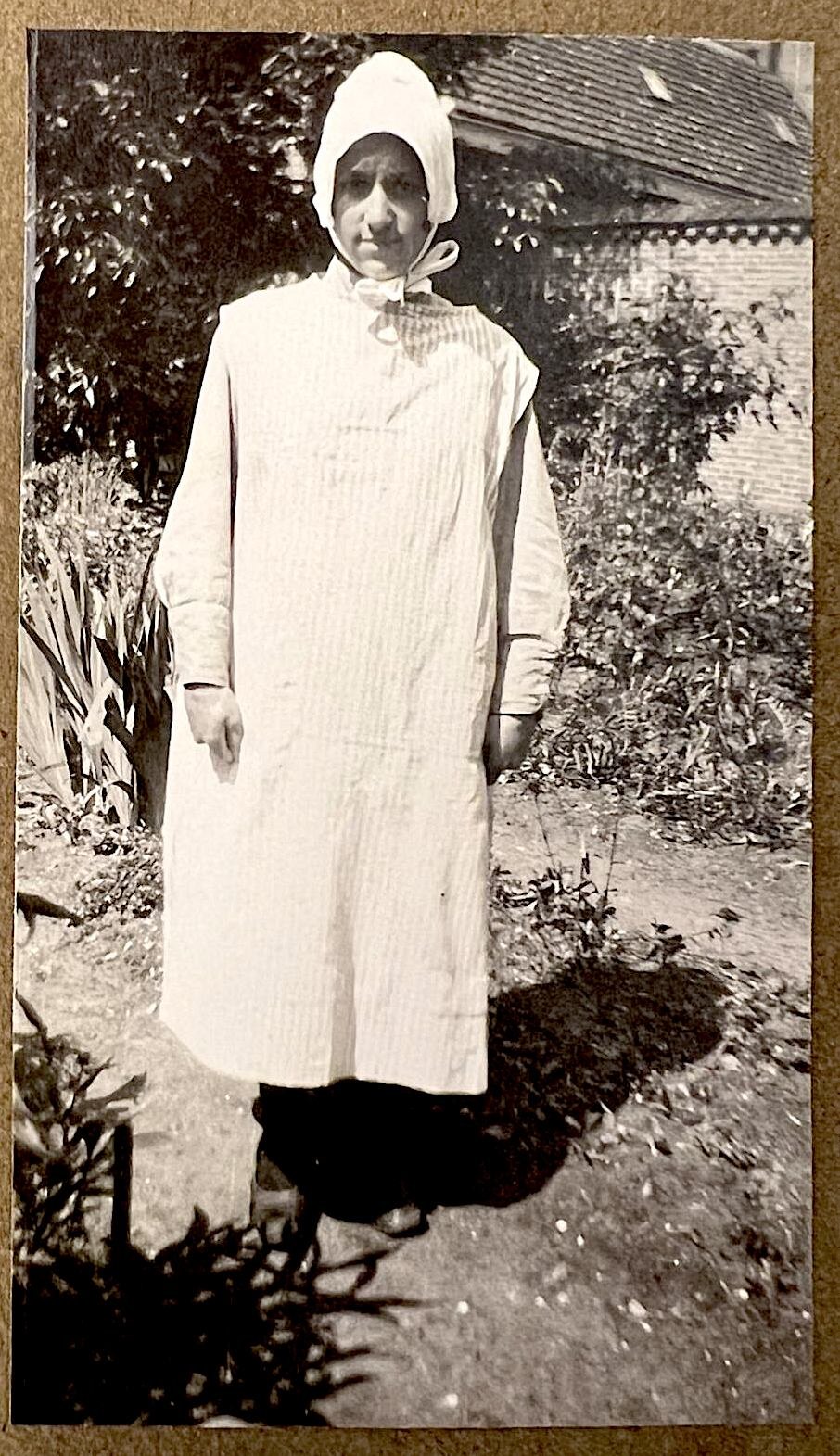
Mina Swaab, ca. 1927.
6–7 Oct. 1932
A letter about the mother
Guardian Kruimel reported that a letter left by Mina suggested the girls’ mother had formerly compelled her daughters to engage in street solicitation. Around the same time, directress Hetta Prins reported that Henriette had begun to improve — but should remain in Santpoort.
13 Oct. 1932
Stay extended
Henriette’s detention in Huize Dina is extended for six months. Her parents would have preferred the extension and accepted the decision — a sign of how far institutional care had become the accepted solution.
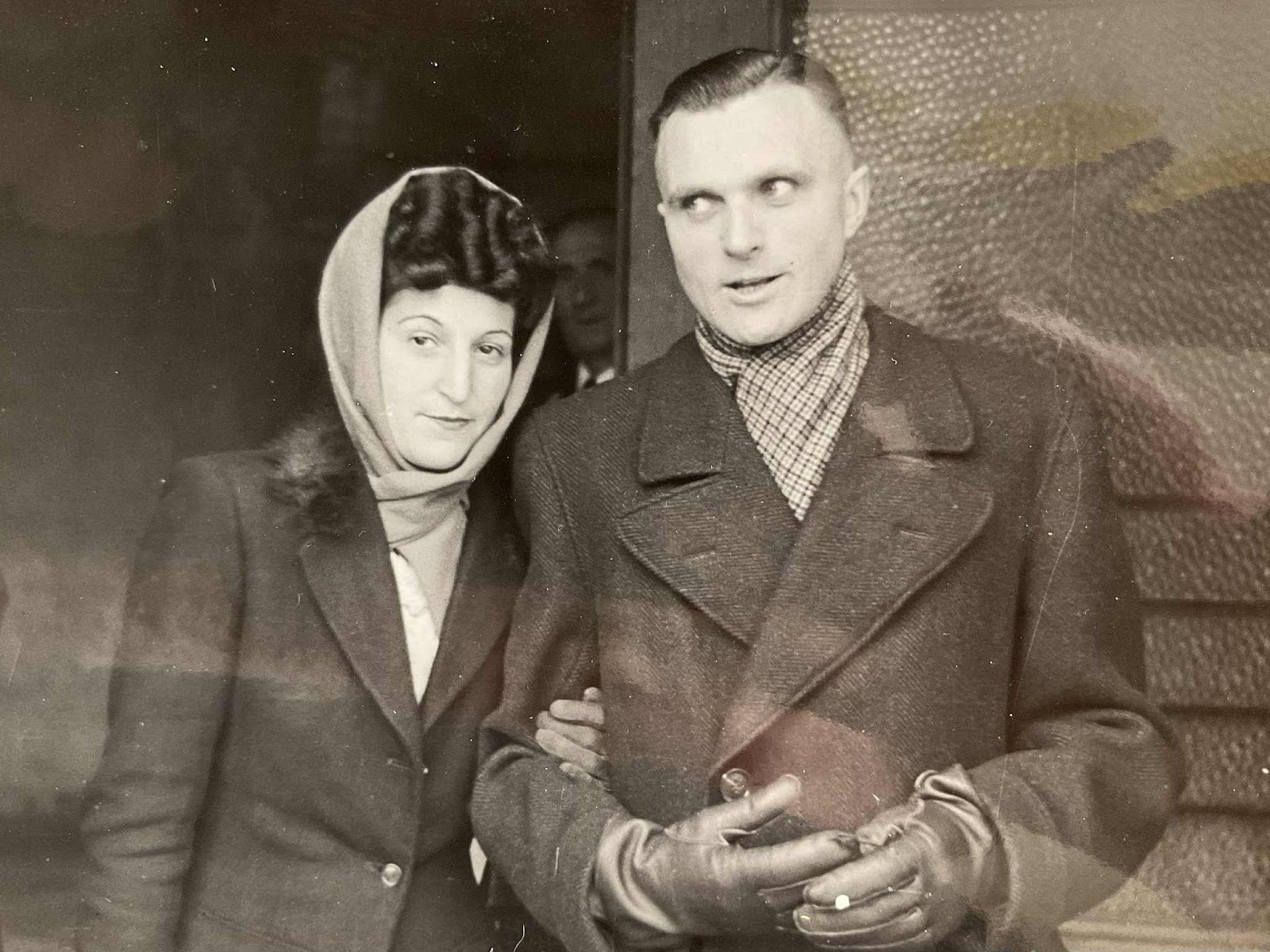
Henriette (Jetje) Swaab, Haarlem, after the war.
8 May 1933
“More difficult than Mina”
The family guardian reported that Jetje was much more difficult than her sister Mina and must therefore remain in Huize Dina. The same note recorded that Mina and her future husband were grateful for the care received, and would soon marry.
20 May 1933
Extended again
Henriette’s father approved the extension of her stay; her mother insisted that if Jetje married, she should become engaged only to a Jewish young man. On the same date, her stay was extended for six months.
3 Nov. 1933
Home becomes forbidden
After a visit to the Swaab family in Amsterdam, directress Hetta Prins decided she could no longer permit Jetje to visit her parental home — not even once every two months. It was too dangerous.
6 Jun. 1934
Parents lose authority
The parents were deprived of authority, and guardianship was officially assigned to the Association for the Protection of Jewish Girls — authority shifted from the family to welfare organizations, for Henriette and the wider sibling group.
1940 / 1943
Marriage and loss
Henriette married Emile Frank in Haarlem in March 1940. He was murdered in Sobibor on 26 March 1943. From Westerbork he wrote her a letter, kept today in the Jewish Museum’s collection — the interwar welfare story cut across by wartime persecution.
1943 — 2010
Michele, and a life after
Henriette’s daughter Michele Frank was born in Haarlem in December 1943 and survived the war. Henriette remarried James Haverschmidt in 1947; Michele later took his name. Henriette died in Haarlem in 2010.
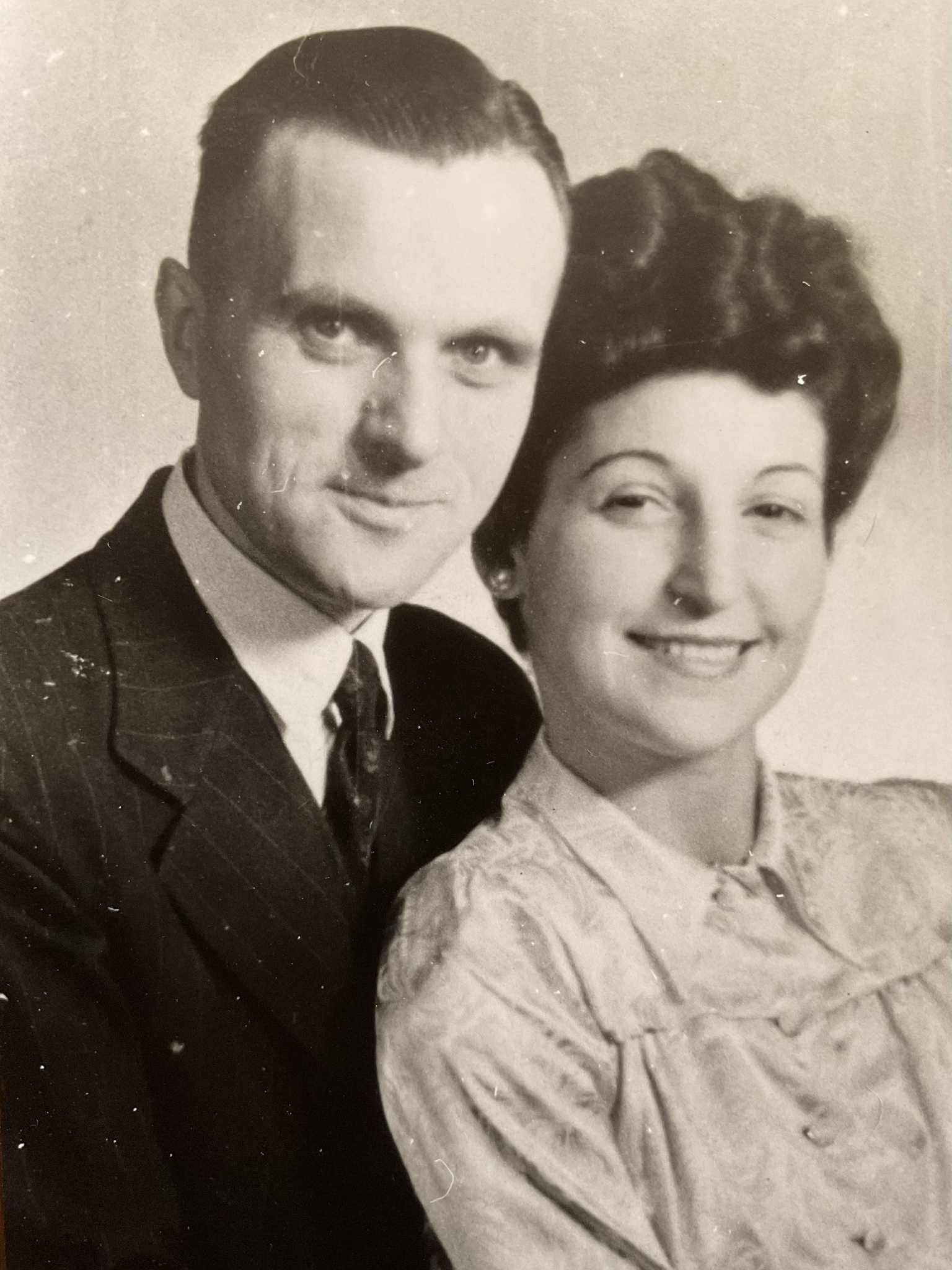
Henriette (Jetje) Swaab with her second husband, J. Haverschmidt, in Haarlem after the war.
5 May 1945
Liberation
After five years, the war is over. Mina’s daughter Betje grows up permanently with the Kruimel family in Zandvoort; she never saw her biological mother (who survived the war in hiding) again. Henriette and her daughter Michele survive and begin a new life in Haarlem.
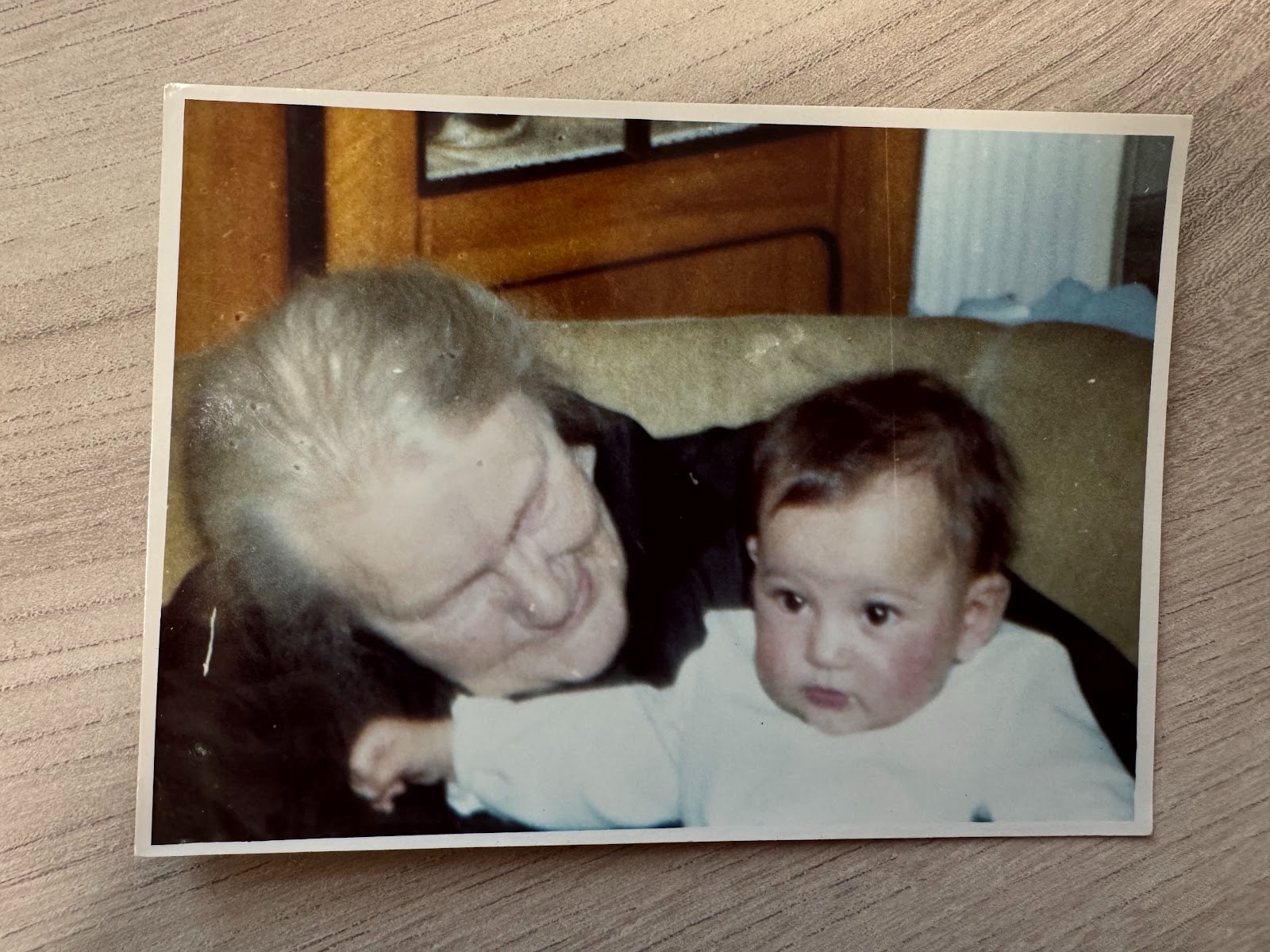
Guardian Clasina Kruimel-van Dijk with Mina Swaab’s granddaughter Caroline.
Click anywhere to close
1919